



Join our Telegram group and receive breaking and trending news updates directly on your phone.
Join for News Updates ✕


By Dada Ahmed in Lokoja.
(C) Independent News.
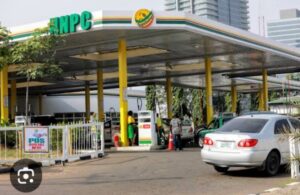
The escalating tensions between the United States and Iran in the middle east have begun to reverberate across Nigeria’s local economy, with the price of petrol in Kogi State surging from ₦839 to ₦1,330 per litre, a sharp increase of about 58.5 per cent.
Findings by The Reporters in Lokoja on Tuesday indicated that the spike in fuel price has already triggered a rise in transportation fares across the state capital, leaving commuters and transport operators grappling with the sudden economic pressure.
Transport operators who spoke with our correspondent said the increase in fuel price had forced them to adjust fares in order to remain in business.
They lamented that the development has placed additional burden on residents who depend largely on commercial transport for their daily activities.
A trip by tricycle, popularly known as keke napep, from Gadumo to Post Office, which previously cost about ₦200, now attracts ₦300.
Similarly, fares from Post Office to Felele have jumped from ₦300 to about ₦500, a development commuters described as alarming.
Drivers and passengers alike expressed concern that if the situation persists, the rising cost of transportation could further worsen the cost of living in the state capital, as traders may also be compelled to increase the prices of goods and services.
Experts explain that any disruption to crude oil supply routes in the region often triggers volatility in global oil prices, which eventually affects fuel prices in import-dependent markets such as Nigeria.
However, analysts say the situation could ease if diplomatic efforts by the international community succeed in de-escalating tensions between the two countries.
They note that sustained dialogue and negotiations among major global powers could help stabilize the Middle East and restore confidence in the global oil market.
Until such diplomatic solutions are achieved, residents and businesses in Lokoja and other parts of Nigeria may continue to feel the economic ripple effects of the geopolitical crisis unfolding thousands of kilometres away.