



Join our Telegram group and receive breaking and trending news updates directly on your phone.
Join for News Updates ✕


By correspondent in Magongo.


The week long 2026 edition of the Owiya Osese Festival in Magongo, Ogori-Magongo Local Government Area of Kogi State, drew to a magnificent and colourful close on Saturday, leaving indelible memories of one of Nigeria’s most captivating cultural celebrations.

The town was transformed into a vibrant hub of tradition, music, and pageantry as sons and daughters of Ogori, both at home and in the diaspora, returned in their numbers to honour their heritage in a festival that continues to command national admiration.

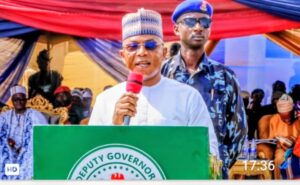
The grand finale attracted a galaxy of dignitaries, including the Deputy Governor of Kogi State, who represented Governor Ahmed Usman Ododo, other top government officials, traditional leaders were led by the Ohinoyi of Egbiraland Dr Ahmed Tijani Anaje along with various cultural enthusiasts from within and outside the country.

Their presence further elevated the festival’s prestige, reinforcing its growing status as a major tourism and cultural attraction in Nigeria.
As in previous years, the Owiya Osese Festival once again lived up to its reputation as a vibrant expression of Magongo’s cultural identity.
Rooted in ancient traditions, it remains a sacred period for thanksgiving, reunion, and the celebration of communal values that bind the people together.
This year’s edition stood out with richer displays of regal traditional attire, pulsating drumbeats, energetic dances, and captivating performances by cultural troupes that held audiences spellbound.
Beyond the colour and spectacle, the festival also served as a powerful platform for unity, dialogue, and development.
Community leaders used the occasion to reflect on shared challenges, celebrate progress, and inspire the younger generation to take pride in preserving their cultural heritage.
With its growing appeal to tourists and dignitaries, the Owiya Osese Festival continues to project Magongo onto the national and global cultural stage, while also boosting local economic activity and strengthening communal bonds.
Edited by Dada Ahmed.