
Close Menu
The Reporters
  • Home
  • News
  • Politics
  • Crime
  • Health
  • Features
  • Economy
  • Environment
  • Entertainment
  • Business
  • Technology
  • Education
  • Sports
  • Tourism
  • Judiciary
  • Judiciary
  • Foreign
  • Agriculture
  • Religion
  • Weather
  • Banking
  • Labour
  • Faith
  • Advertisment
Facebook X (Twitter) Instagram
  • Home
  • Lifestyle
  • Travel
  • Buy Now
Facebook X (Twitter) Instagram Pinterest Vimeo
The Reporters
  • Home
  • News
  • Politics
  • Crime
  • Health
  • Features
  • Economy
  • Environment
  • Entertainment
  • Business
  • Technology
  • Education
  • Sports
  • Tourism
  • Judiciary
  • Judiciary
  • Foreign
  • Agriculture
  • Religion
  • Weather
  • Banking
  • Labour
  • Faith
  • Advertisment
Subscribe
The Reporters
News

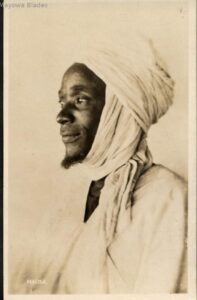
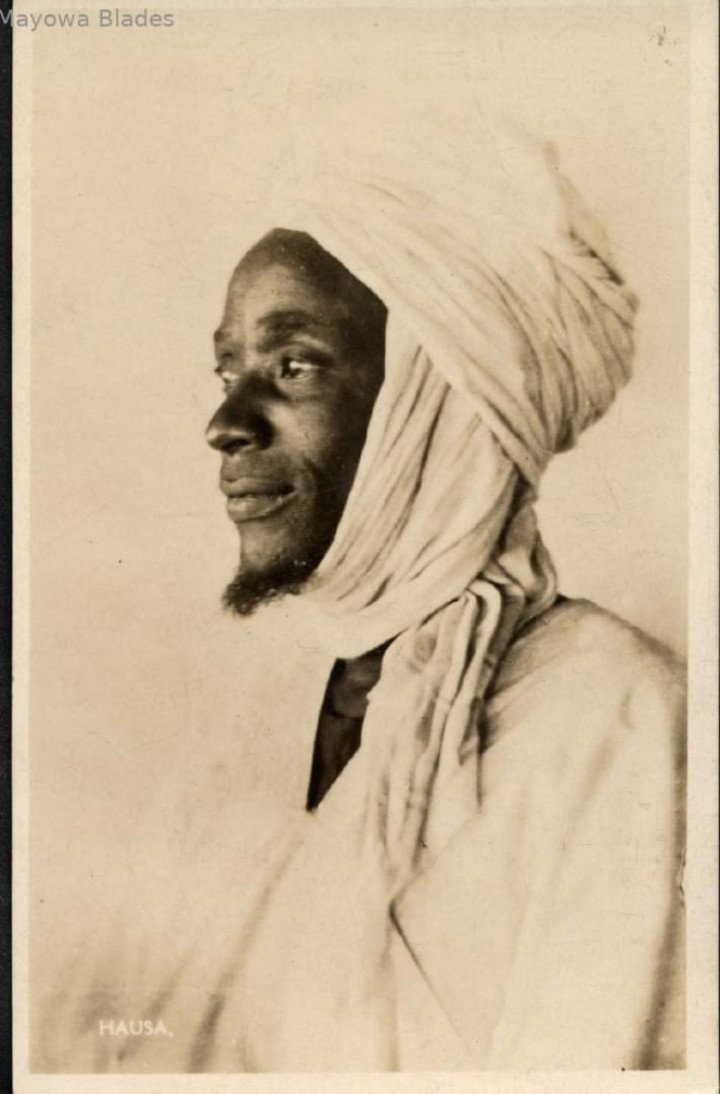
Photo speaks:Portrait of an Hausa man, Nigeria, ca. 1920.

AdminBy AdminFebruary 16, 2024Updated:February 16, 2024No Comments2 Mins Read
đź“° Get Latest News Updates

Join our Telegram group and receive breaking and trending news updates directly on your phone.

Join for News Updates âś•

Spread the love

By Farooq A. Kperogi.

Bahaushe (Hausa person): singular
Plural: Hausawa

Facts:

A.Hausa has a rich written tradition that goes back to hundreds of years. For instance, Kano Chronicle, a palace-centered monthly publication, was first published in Hausa (and in Arabic) in 1503 and continued for many years before it stopped publishing. It predated Iwe Irohin fun awon Egba ati Yoruba (“newspaper for Egba and Yoruba people”), which was first published in 1859 by the Reverend Henry Townsend.

B. Hausa is also perhaps the only Nigerian language that has grammatical gender for noun distinction. Every Hausa noun is either masculine or feminine.

C.Hausa Words in Everyday Nigerian English

1. “Jaara.” Most speakers of Nigerian English recognize this word as an additional, often small, quantity that a merchant gives to a customer who purchases goods in the market as a show of appreciation for the customer’s business. It is derived from the Hausa “gyara.”

2. “Megad.” This Nigerian English word for what native English speakers call a door guard, a gatekeeper, a uniformed doorman, or a hall porter came to us from a distortion of the Hausa “maigadi,” itself a blend of the Hausa “mai” and the English “guard.”

3. “Buka.” This word now means a cheap, casual, ramshackle eatery that sells already prepared food. It came from the Hausa word “bukka,” which means a temporary, tumble-down hut or tent.

4. “Fadama.” This Hausa word for a fertile wetland is now a widely used terminology in agriculture in Nigeria and beyond.

5. To “see gobe” in southern Nigeria is to be in trouble, sometimes good trouble. It’s the title of Davido’s 2013 hit song. It may have been derived from the Hausa “sai gobe,” which literally translates as “until tomorrow.” I am also curious to know how the semantic transition occurred from “until tomorrow” to “being in trouble.”

Text culled from: Farooq A. Kperogi.
Courtesy: Danjuma Mahmud.

Visited 31 times, 1 visit(s) today
Previous ArticlePhoto speaks:Portrait of an Hausa man, Nigeria, ca. 1920.
Next Article Why frequent power outage in Kogi–AEDC.
Admin

Related Posts

ABU Alumni Extends Kogi EXCO Tenure, Reaffirms Commitment to Unity

May 8, 2026

Court Convicts Ex-Power Minister Mamman Over N33.8bn Fraud, Orders Immediate Arrest

May 7, 2026

Police Launch Manhunt as Deadly Attacks Leave Death, Destruction in Kogi

May 7, 2026

Leave A Reply Cancel Reply

Recent Posts
  • Nigeria, Cameroon Deepen Telecoms Partnership in Push for Regional Digital Growth
  • Court Convicts Fugitive Briton in $9.6bn P&ID Fraud Scandal
  • Jonathan’s 2027 Eligibility Suit Stalls as Plaintiff, Key Defendants Fail to Appear in Court
  • Court Jails Man for Stealing Building Materials Worth N728,000 in Ogun
  • Court Throws Out Fubara’s Suit, Fines Aspirant, Lawyer ₦20m
© 2026 The Reporters. Designed by Domo Tech Media .
  • Home
  • Contact Us
  • About Us
  • Posts
  • Privacy Policy

Type above and press Enter to search. Press Esc to cancel.