




By Abah Benjamin Eneojoh.
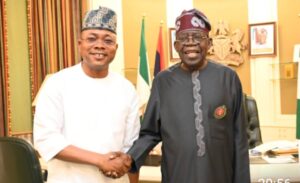
The Kogi State Governor, Alhaji Ahmed Usman Ododo, on Monday paid a strategic working visit to President Bola Ahmed Tinubu, at the State House, Abuja, to strengthen security cooperation and fast-track development initiatives in the state.
In a statement issued by the Kogi State Commissioner for Information and Communications, Kingsley Femi Fanwo, in Lokoja,Governor Ododo gave the President a comprehensive briefing on the security situation in Kogi State.
He outlined ongoing proactive measures undertaken by his administration in partnership with security agencies to protect lives and property.
The Governor expressed profound appreciation to President Tinubu for his consistent support, particularly in enhancing security operations across the state. According to him, the Federal Government’s intervention has significantly boosted the response capacity of security formations in tackling threats swiftly and effectively.
Governor Ododo also conveyed the gratitude of the government and people of Kogi State for President Tinubu’s recent approval of the Ajaokuta Economic City,also known as the Kogi,Hunan Free Trade Zone.
He described the landmark project as a transformative catalyst that will position Kogi as a major industrial and investment destination, generate thousands of jobs, and spur long-term economic growth.
Responding, President Tinubu commended Governor Ododo for his hands-on leadership and close collaboration with federal security agencies in addressing the state’s security challenges. He reaffirmed the Federal Government’s commitment to supporting Kogi State in both security and development efforts.
According to Fanwo,the high-level meeting also explored ways to advance infrastructure development, broaden economic opportunities, and improve the overall well-being of the people of Kogi State.
He said that the visit underscores the Ododo administration’s commitment to deepening federal-state cooperation in the pursuit of peace, prosperity, and sustainable development for Kogi State and its citizens.
Edited by Dada Ahmed.
